EN
EN
 AR
AR
 FR
FR
 HI
HI
 IT
IT
 RO
RO
 RU
RU
 ES
ES
 TL
TL
 ID
ID
 SL
SL
 UK
UK
 SQ
SQ
 TR
TR
 FA
FA
 MS
MS
 AZ
AZ
 KA
KA
 MN
MN
 KK
KK
 UZ
UZ
 KY
KY


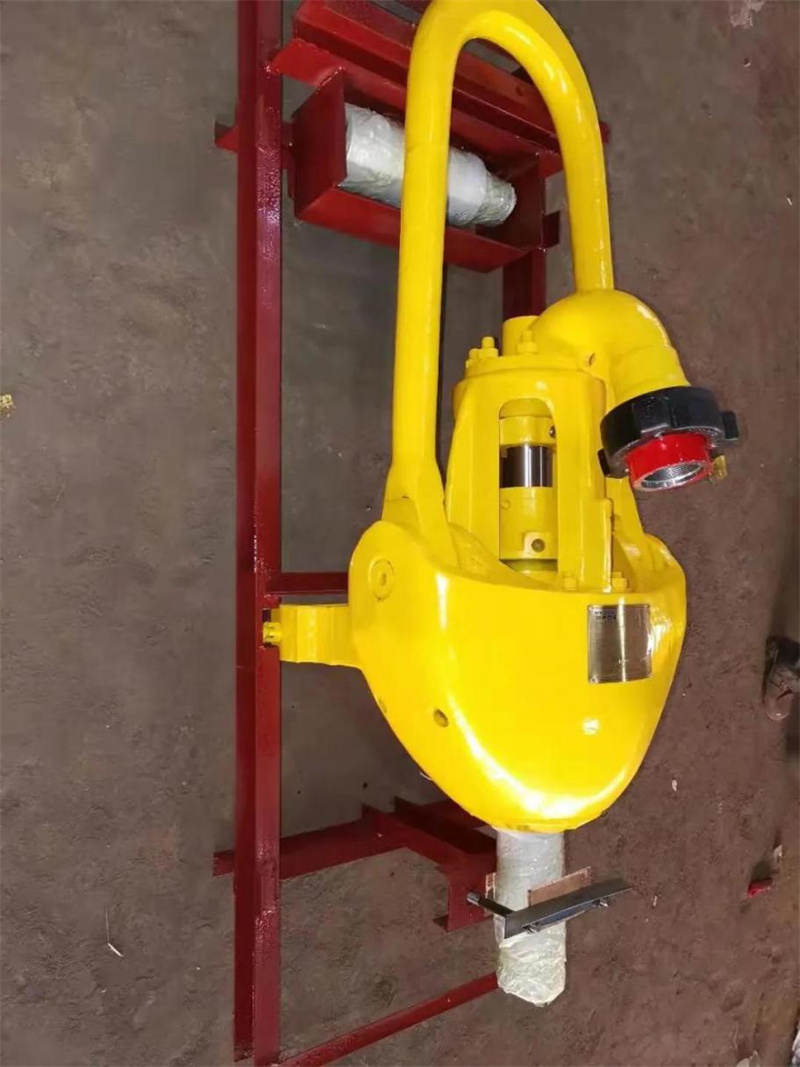
Oil Drilling Equipment--Power Swivel
Definition:
The power swivel is the core component of the oil drilling rig's rotary system, representing an early form of top-drive drilling rig, typically located below a conventional swivel.
This device directly drives the drill pipe rotation via an internal hydraulic/pneumatic motor or DC motor, adapting to a wide range of speeds and torques. It can replace traditional rotary tables, Kelly and Kelly couplings. Its structure includes a power unit, hydraulic pump, and control system. Some models utilize permanent magnet synchronous motor direct-drive technology and are equipped with an internal blowout preventer (BOP) for bottom hole blowout protection.
Drilling rigs equipped with a power swivel do not use a conventional rotary table on the drill rig, nor do they utilize Kelly cables or Kelly couplings. Rotational torque is provided by a hydraulic/pneumatic motor or DC motor within the power swivel. It is suitable for a wide range of speed and torque combinations. It is a simple top drive system.
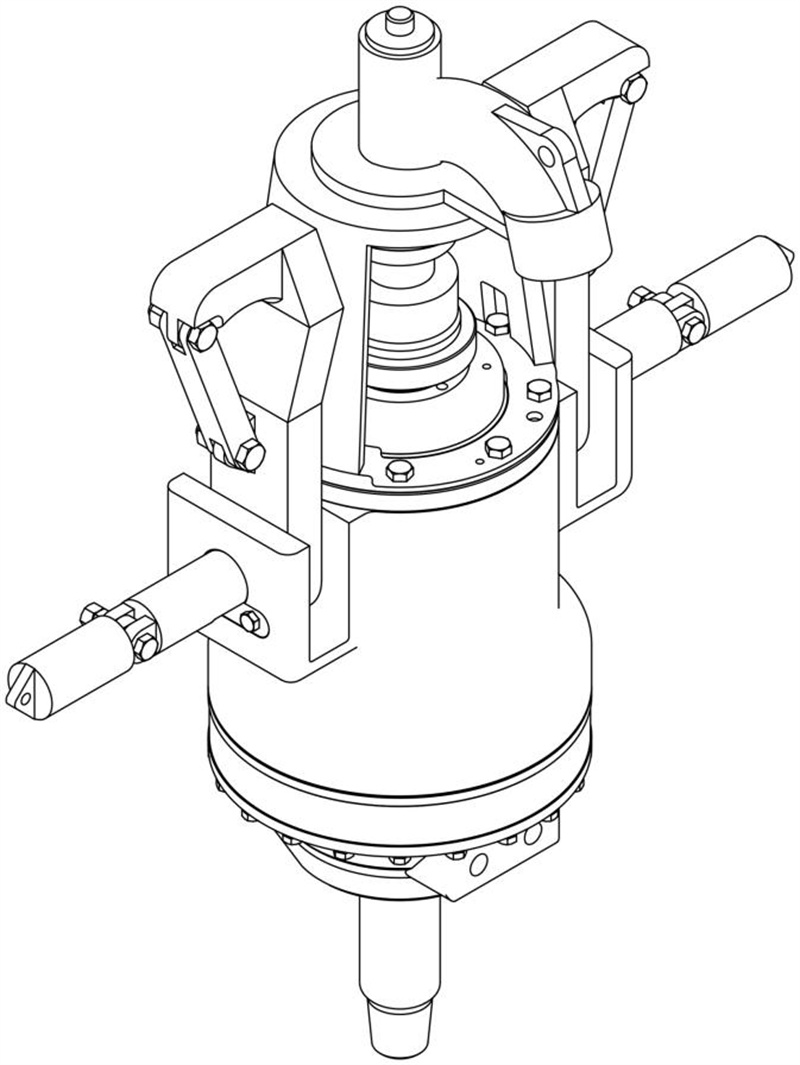
Basic Components:
Mostly hydraulically driven, it typically consists of a power unit, hydraulic pump, oil tank, control system, hydraulic lines, and a power swivel rotating head (power swivel body). In light loads or special operations (not conventional large-diameter wells), it can replace ordinary swivels, Kellys, square corers, and rotary tables to drive the drill string rotation.
Applications:
Using power swivels on workover rigs and truck-mounted drilling rigs overcomes the shortcomings of vertical chain-climbing rigs, improving drilling efficiency. It is also suitable for small-diameter drilling and long-tube coring operations.
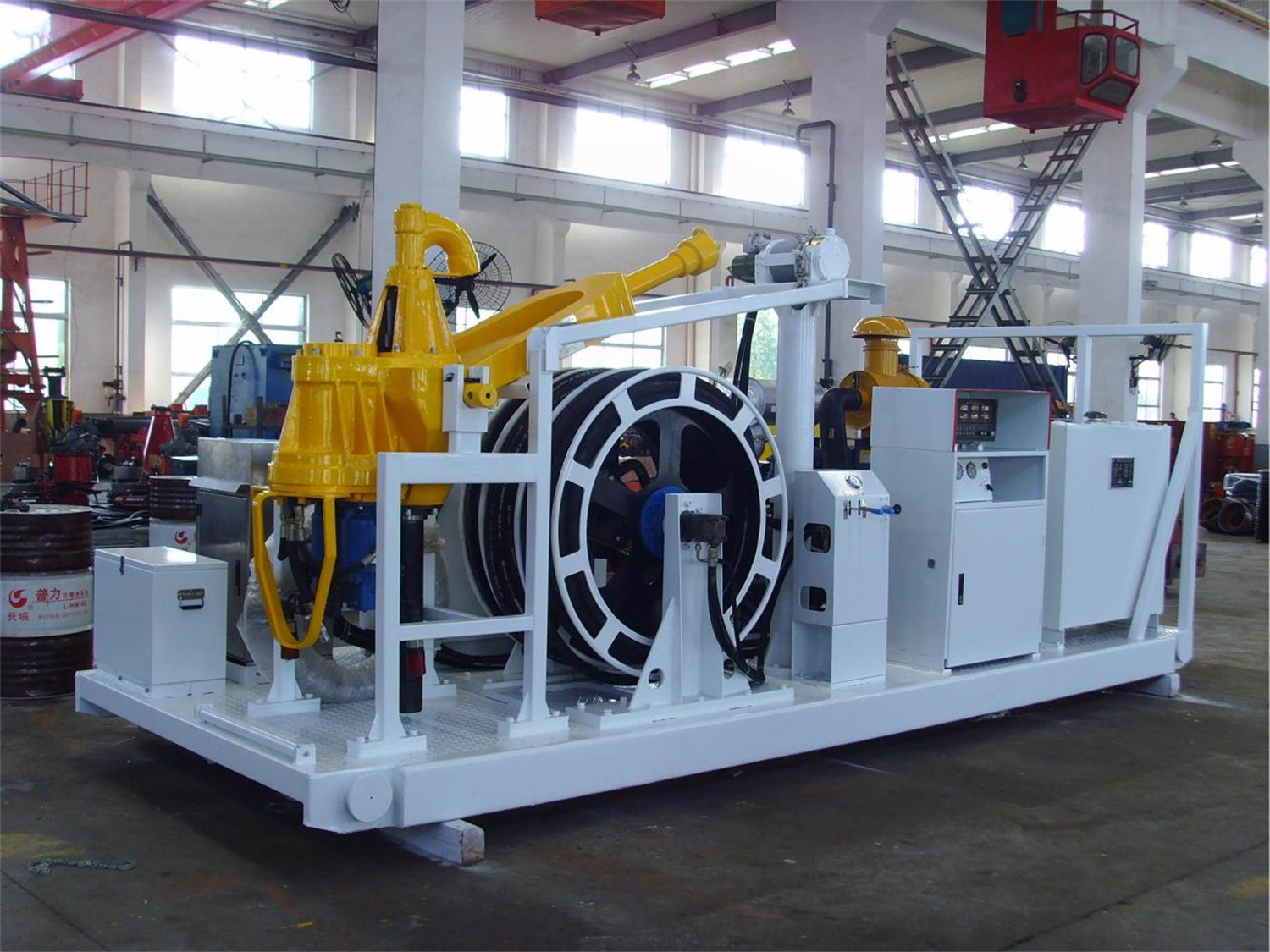
The difference between a power swivel and a rotary swivel:
A power swivel is a "power source" that actively drives the drill pipe to rotate, while a regular swivel is merely a passive "channel" for supporting and transporting drilling mud.
A power swivel directly drives the drill pipe through a built-in hydraulic/pneumatic motor or electric motor, providing a wide range of speeds and torques. It is the core component of a top-drive drilling rig. It is typically used with the drill string, reducing single-strut connection time by 2/3, increasing drilling speed by 20%-50%, and allowing for rotation of the drill string and circulation of drilling fluid at any height, making it more flexible in handling complex well sections. Its structure is complex, including a power unit, hydraulic pump, and control system; some models are also equipped with an internal blowout preventer.
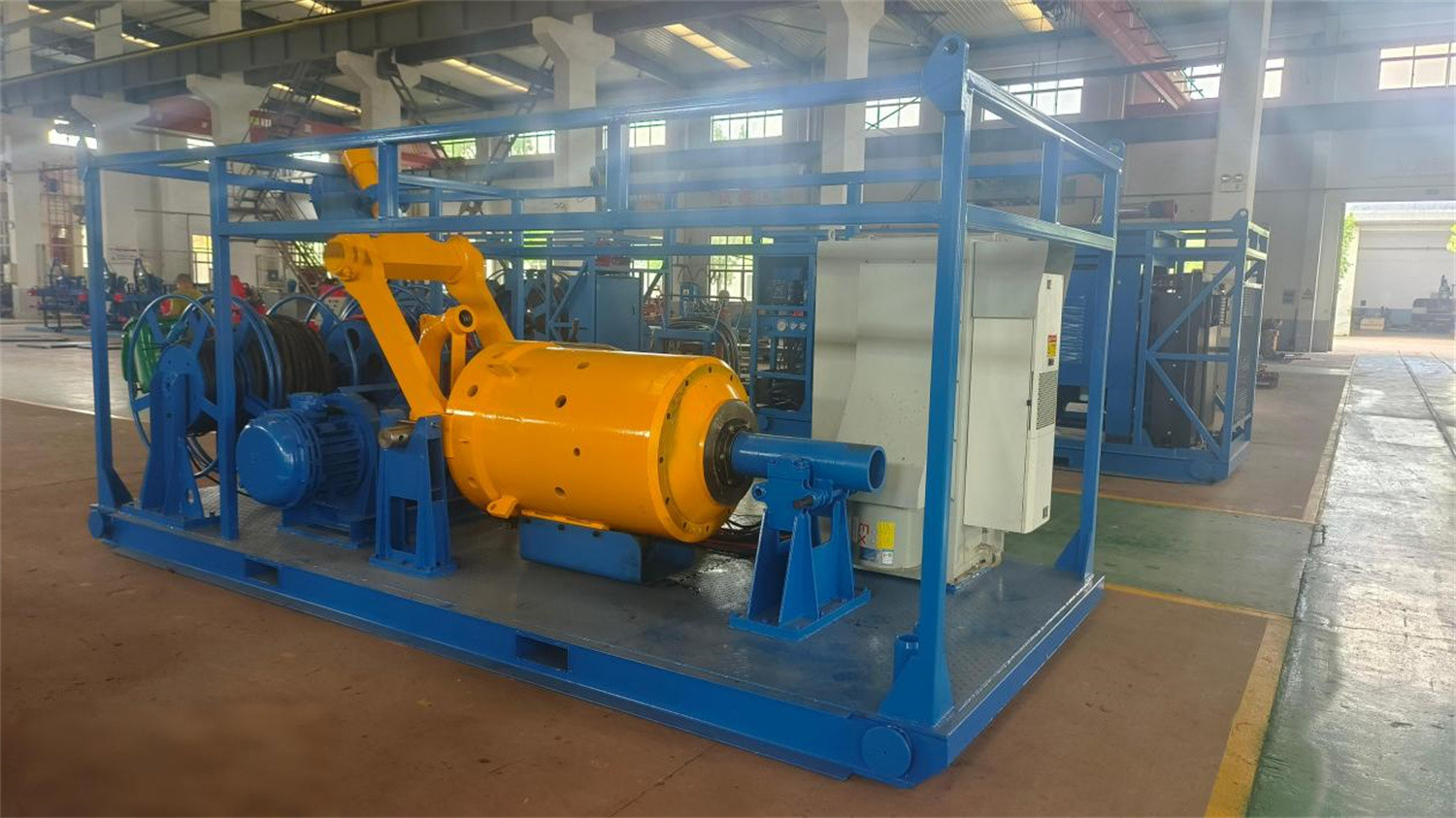
The conventional drilling swivel primarily serves a supporting role, suspended from the traveling block hook by a lifting ring. Its core functions are to suspend the drill string, withstand drilling pressure, and deliver high-pressure drilling fluid through the center tube. It relies on a rotary table and a Kelly for rotational power and structurally consists of a gooseneck pipe, center tube, main bearing, flushing assembly, outer casing, and lifting ring.