 EN
EN
 AR
AR
 FR
FR
 HI
HI
 IT
IT
 RO
RO
 RU
RU
 ES
ES
 TL
TL
 ID
ID
 SL
SL
 UK
UK
 SQ
SQ
 TR
TR
 FA
FA
 MS
MS
 AZ
AZ
 KA
KA
 MN
MN
 KK
KK
 UZ
UZ
 KY
KY

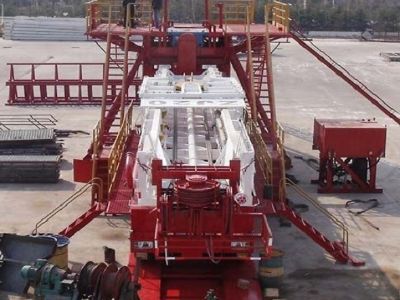
Selecting the right tricone drill bit for hard rock formations is crucial for maximizing drilling efficiency and minimizing operational downtime. As a purchasing manager or engineer, you may be faced with various options and specifications that can impact performance, durability, and cost. This guide will help you understand the key considerations when choosing a tricone drill bit kit, ensuring you make informed decisions tailored to your specific application needs.
What to Consider When Choosing a Tricone Drill Bit for Hard Rock?
When selecting a tricone drill bit for hard rock formations, several factors must be taken into account to ensure optimal performance. First, consider the formation's hardness and abrasiveness. Hard rock, such as granite or basalt, requires bits designed with robust materials and features to withstand high impact and wear.
The type of tricone bit either steel-tooth or tungsten carbide should also be evaluated. Steel-tooth bits are typically used for softer formations, while tungsten carbide bits are more suitable for hard rock due to their enhanced durability. Additionally, the oil rig drill bit size and gauge must match your drilling equipment to ensure compatibility.
Another critical factor is the bit's design. Bits with a higher number of teeth or larger diameter can provide better penetration rates in hard rock. You should also consider the formation's geological characteristics, as different formations may require specialized designs to optimize drilling efficiency.
How to Evaluate Quality in Tricone Drill Bits for Heavy-Duty Use?
Quality is paramount in heavy-duty applications where failure can lead to costly delays and repairs. Begin by assessing the manufacturer’s reputation and any certifications, such as ISO9001, which indicates adherence to quality management standards.
Examine the materials used in the bit construction. High-grade steel and quality tungsten carbide can significantly influence the durability and operational life of the high quality drill bits. Buyers should also inquire about the manufacturer’s quality control processes, including testing for defects or performance issues during production.
Inspect the bit's finish and welding, as these can affect the structural integrity. A well-manufactured tricone bit will show no signs of cracks, porosity, or inadequate welding. Additionally, requesting samples or detailed performance data can provide insights into the expected lifespan and efficiency of the bit under heavy-duty conditions.
Comparing Material Advantages for Tricone Drill Bits in Tough Environments
The material used in tricone drill bits plays a vital role in their performance in tough environments. Steel-tooth bits are often more advantageous for softer rock formations due to their ability to self-sharpen as they wear. However, for hard rock applications, tungsten carbide is generally preferred due to its superior hardness and resistance to wear.
Tungsten carbide bits excel in abrasive conditions, providing longer service life compared to their steel counterparts. They can maintain their cutting effectiveness over prolonged use, reducing the frequency of replacement and downtime. When evaluating materials, consider the specific drilling conditions, including temperature fluctuations and the potential for chemical exposure, which can affect the bit's performance.
Ultimately, the selection of material should reflect the specific demands of the drilling environment. For instance, if drilling in highly abrasive formations, opting for a tungsten carbide bit with advanced wear-resistant features will likely yield better results.
Application Scenarios for Tricone Drill Bits in Hard Rock Formations
Tricone drill bits are versatile and can be employed in various applications within hard rock formations. In the oil and gas sector, these bits are crucial for drilling exploratory wells in rocky terrains. Similarly, in the mining industry, they are used for accessing mineral deposits where hard rock is prevalent.
Additionally, in construction and civil engineering, tricone bits are essential for drilling foundation piles or geothermal wells, where hard formations are often encountered. Understanding the specific application will help you choose the right features, such as bit diameter and tooth configuration, to meet project requirements effectively.
Moreover, the operational depth and drilling techniques employed (rotary drilling versus down-the-hole hammer) can also dictate the type of tricone bit to be used. Consulting with your drilling engineer or a knowledgeable supplier can provide insights into the best options based on your specific application scenarios.
How to Make Informed Purchasing Decisions for Tricone Drill Bits?
Making informed purchasing decisions for tricone drill bits involves thorough preparation and understanding of your project needs. Start by gathering detailed specifications, including bit type, size, and material requirements. Ensure you can articulate your drilling conditions, such as rock type and expected penetration rates, to communicate effectively with suppliers.
Request quotations from multiple manufacturers and compare not only pricing but also quality assurances, such as warranties and service agreements. Be aware of lead times, as delays can impact project timelines. Specify any customization needs upfront, such as special coatings or design features tailored to your applications.
Before finalizing any order, consider requesting samples to evaluate performance under real-world conditions. This testing can provide invaluable insights into the bit’s efficiency and durability, helping you avoid costly mistakes. Finally, ensure that you have clearly defined quality inspection protocols to assess the bits upon delivery, addressing any discrepancies immediately.
By applying these guidelines, you can streamline the selection process and ensure that the tricone drill bits you choose will meet your operational requirements in hard rock formations effectively.
Table of Contents
- What to Consider When Choosing a Tricone Drill Bit for Hard Rock?
- How to Evaluate Quality in Tricone Drill Bits for Heavy-Duty Use?
- Comparing Material Advantages for Tricone Drill Bits in Tough Environments
- Application Scenarios for Tricone Drill Bits in Hard Rock Formations
- How to Make Informed Purchasing Decisions for Tricone Drill Bits?