 EN
EN
 AR
AR
 FR
FR
 HI
HI
 IT
IT
 RO
RO
 RU
RU
 ES
ES
 TL
TL
 ID
ID
 SL
SL
 UK
UK
 SQ
SQ
 TR
TR
 FA
FA
 MS
MS
 AZ
AZ
 KA
KA
 MN
MN
 KK
KK
 UZ
UZ
 KY
KY

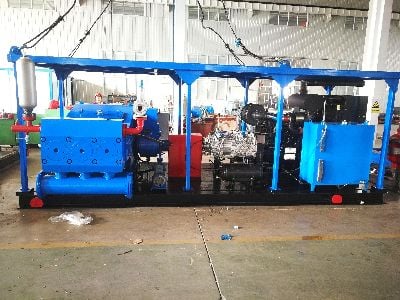
Understanding the Maintenance Lifecycle of a BW250 Grout Pump is essential for buyers in the drilling and construction sectors. This article will address the main concerns of purchasing managers and engineers regarding performance reliability, operational efficiency, and lifespan. By delving into maintenance practices, common issues, and installation guidelines, we aim to equip you with the knowledge to make informed decisions about the BW250 Grout pump oilfield and ensure optimal performance in your applications.
What to Look For?
When considering the BW250 Grout Pump, it is crucial to evaluate several key specifications and features that directly impact its performance and suitability for your projects. First, assess the pump's pressure rating and flow capacity, which determine its efficiency in various applications, such as filling voids in soil or stabilizing ground conditions.
Next, the material composition of the pump components is essential. High-quality materials such as stainless steel or durable composites can enhance resistance to wear and corrosion, extending the rig pumps operational lifespan. Additionally, check for certifications like ISO9001, which indicate adherence to quality management standards, ensuring reliable performance.
Lastly, consider the maintenance accessibility of the pump. A design that allows easy access to components not only facilitates routine maintenance but can also significantly reduce downtime.
Common Problems with BW250 Grout Pumps and Effective Solutions
Despite their robust design, BW250 Grout Pumps can encounter several common issues that may affect performance. One prevalent problem is the buildup of grout materials within the pump or hoses, leading to blockages. Regular cleaning and flushing after use can mitigate this issue.
Another concern is wear and tear on seals and gaskets, which can lead to leaks. To address this, regularly inspect these components and replace them as needed. It is advisable to keep a stock of replacement parts, as this can minimize downtime during repairs.
Inconsistent pressure output is another issue that can arise, often due to air entrapment or a malfunctioning pressure relief valve. Ensuring that the pump is primed correctly before operation and checking the relief valve regularly can help maintain steady pressure levels.
The Maintenance Lifecycle of the BW250 Grout Pump
Understanding the maintenance lifecycle of the BW250 Grout Pump is critical for maximizing its operational efficiency. This lifecycle typically consists of several key phases:
Initial Setup and Calibration: During the installation phase, ensure that the pump is calibrated according to the manufacturer’s specifications. This includes checking the alignment of the pump and motor, as well as ensuring that all connections are secure.
Routine Maintenance: Regular inspections should be conducted to check for wear on seals, hoses, and other components. Lubrication of moving parts and cleaning of filters are also vital to prolong the lifespan of the pump triplex.
Periodic Overhauls: In addition to routine checks, perform more detailed inspections every few months or as specified by the manufacturer. This may involve replacing worn components, cleaning internal parts, and verifying that the electrical and mechanical systems are functioning correctly.
End-of-Life Considerations: Eventually, components of the BW250 Grout Pump will reach the end of their useful life. Understanding when to replace rather than repair can lead to cost savings and improved performance. Consideration of the pump's overall condition, usage frequency, and the cost of repairs versus replacement will guide this decision.
A Comprehensive Breakdown
When evaluating the BW250 Grout Pump, a comprehensive breakdown of its specifications can provide valuable insights:
Flow Rate: The pump's flow rate is a critical parameter, influencing its ability to handle various grout materials. Ensure that the flow rate meets the demands of your specific application.
Pressure Rating: The maximum pressure the pump can handle is crucial for applications requiring high force, particularly in challenging ground conditions.
Material Composition: Components made from high-grade materials are less susceptible to wear and corrosion, leading to longer service life. Understanding the materials used in the pump's construction can help you evaluate its durability.
Power Requirements: Familiarize yourself with the power requirements for operation, as this will impact your overall energy consumption and operational costs.
Weight and Dimensions: Consider the weight and dimensions of the pump, especially if mobility is a factor in your operations. A pump that is too heavy or cumbersome may complicate transport and setup.
Installation Guidelines for BW250 Grout Pumps to Ensure Efficiency
Proper installation of the BW250 Grout Pump is vital for ensuring its efficiency and longevity. Here are essential guidelines to follow:
Site Preparation: Ensure that the installation site is level and stable. Clear any obstructions that could interfere with the pump's operation.
Correct Alignment: During installation, ensure that the pump is correctly aligned with the power source and any associated pipelines. Misalignment can lead to excessive wear and operational inefficiencies.
Secure Connections: All connections, electrical and hydraulic must be secure to prevent leaks and failures. Double-check all fittings and seals before commissioning the pump.
Testing Before Use: Once installed, conduct a thorough test run of the pump. Monitor for any unusual noises or vibrations that may indicate improper installation.
Documentation and Training: Provide comprehensive training for operators on the proper use and maintenance of the pump. Additionally, keep detailed documentation of installation procedures and maintenance schedules for future reference.
By adhering to these guidelines, you can ensure that your BW250 Grout Pump operates efficiently and effectively, contributing to the success of your construction or drilling projects.