 EN
EN
 AR
AR
 FR
FR
 HI
HI
 IT
IT
 RO
RO
 RU
RU
 ES
ES
 TL
TL
 ID
ID
 SL
SL
 UK
UK
 SQ
SQ
 TR
TR
 FA
FA
 MS
MS
 AZ
AZ
 KA
KA
 MN
MN
 KK
KK
 UZ
UZ
 KY
KY
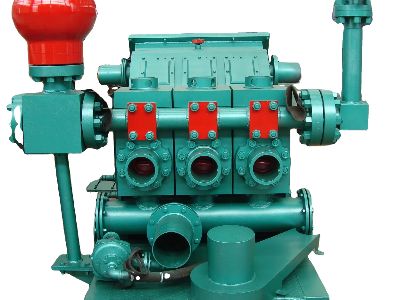
Sourcing reliable mud pump parts is critical for minimizing rig downtime and ensuring smooth operations in drilling applications. This article will guide purchasing managers, engineers, and procurement professionals on how to effectively source these vital components. Key considerations include product specifications, supplier reliability, common challenges, and performance comparisons. Understanding these factors will help you make informed decisions that enhance operational efficiency and reduce costly delays.
Where to Source Reliable Mud Pump Parts for Bulk Orders?
When sourcing mud pump parts for bulk orders, buyers should consider several reliable channels. Direct manufacturers, like ISO9001-certified suppliers, often provide the most assurance regarding quality and customization. Sourcing from manufacturers with a strong reputation in the petroleum, water well, and horizontal directional drilling (HDD) sectors can also yield better pricing and consistent supply. Additionally, industry trade shows and B2B marketplaces can offer insights into various manufacturers and suppliers, allowing buyers to assess options based on product offerings, certifications, and customer feedback. It's also essential to build relationships with suppliers that have experience in your specific market. Companies providing overseas after-sale services demonstrate commitment to customer support, which can be crucial in case of urgent needs or logistical challenges. Establishing partnerships with suppliers known for their quality control processes can further mitigate risks associated with bulk orders, ensuring you receive consistent and reliable products.
What Specifications to Consider When Selecting Mud Pump Parts?
Selecting the right mud pump parts involves careful consideration of various specifications that directly affect performance. Key specifications include material selection, dimensions, pressure ratings, and compatibility with existing systems.
Material Selection: Mud pump parts must be made from materials that withstand harsh drilling environments. Common materials include high-strength steel and corrosion-resistant alloys, which offer durability and longevity. The choice of material should align with the type of drilling fluid used and the specific environmental conditions expected during operation.
Dimensions and Compatibility: Ensure that the parts meet the exact dimensions required for your mud pump model. Incorrect dimensions can lead to operational inefficiencies or even damage to the pump. Compatibility with existing systems is also crucial; confirm that the parts integrate seamlessly with your current setup to avoid performance issues.
Pressure Ratings: Check the pressure ratings of the components to ensure they can handle the operational pressures of your drilling applications. Using parts rated for lower pressures can lead to catastrophic failures, resulting in costly downtime and repairs.
Evaluating Supplier Reliability for Mud Pump Parts Purchases
When evaluating suppliers for mud pump parts, reliability is paramount. Start by assessing their industry experience and track record. Look for suppliers that have established themselves in the drilling equipment market and can provide references from other reputable companies.
Quality Assurance Processes: Reliable suppliers should have stringent quality control measures in place. Inquire about their manufacturing processes, including any certifications they hold, such as ISO9001. This certification indicates that the supplier adheres to international quality management standards, which is vital for ensuring the consistency and reliability of their products.
Lead Times and Support Services: Consider the lead times for orders and the availability of support services. A supplier that can provide prompt delivery and responsive after-sale support can significantly reduce the risk of downtime. Additionally, evaluate the mud pump parts flexibility in accommodating custom orders or variations in specifications, which can be essential for specific projects.
Common Problems with Mud Pump Parts and Their Solutions
Common issues with mud pump parts can lead to significant operational challenges. Understanding these problems and their solutions can help buyers make informed decisions.
Wear and Tear: Mud pumps operate in abrasive environments, leading to wear on components like liners and impellers. Regular inspections and maintaining a stock of spare parts can mitigate this issue. Implementing a preventive maintenance schedule is also advisable to address wear before it leads to failures.
Sealing Failures: Seals may degrade over time due to exposure to drilling fluids and high pressures. Selecting high-quality seals made from appropriate materials and ensuring proper installation can reduce the risk of leaks. Additionally, consider suppliers that offer seals with enhanced performance characteristics, as these may provide longer service life.
Compatibility Issues: Sometimes, parts may not fit properly due to manufacturing variations or miscommunication during the ordering process. Before mass production, requesting samples to verify dimensions and fit can prevent compatibility problems. This step is crucial, especially for parts that play critical roles in the pump's operation.
Comparing Mud Pump Parts to Maximize Rig Performance
To maximize rig performance, it is essential to compare different mud pump parts based on their specifications, materials, and performance characteristics. Start by gathering data on various suppliers’ offerings and analyzing them against your operational requirements.
Performance Metrics: Consider how different parts perform under specific conditions, such as varying pressures and fluid types. For instance, some impellers may provide better efficiency at higher flow rates, while others may excel in durability under abrasive conditions. Understanding these nuances can help in selecting parts that optimize overall rig performance.
Cost vs. Quality: While it may be tempting to choose the lowest-cost options, it is crucial to balance cost with quality. Investing in higher-quality components may lead to lower maintenance costs and longer replacement intervals, ultimately providing better value in the long run. Evaluate the total cost of ownership rather than focusing solely on initial purchase prices.
Supplier Comparisons: Finally, when comparing suppliers, consider factors such as their delivery capabilities, customer service, and the availability of technical support. Suppliers that offer comprehensive service packages can enhance operational efficiency and provide peace of mind throughout the procurement process.
By understanding these aspects of sourcing reliable mud pump 1 hp parts, B2B buyers can significantly reduce the risk of rig downtime, improve operational efficiency, and ensure better long-term performance of their drilling equipment.