 EN
EN
 AR
AR
 FR
FR
 HI
HI
 IT
IT
 RO
RO
 RU
RU
 ES
ES
 TL
TL
 ID
ID
 SL
SL
 UK
UK
 SQ
SQ
 TR
TR
 FA
FA
 MS
MS
 AZ
AZ
 KA
KA
 MN
MN
 KK
KK
 UZ
UZ
 KY
KY

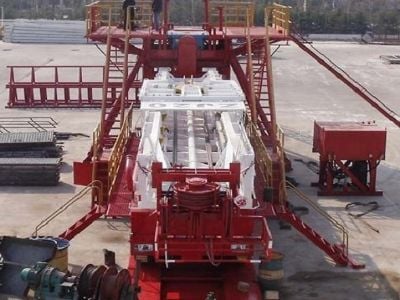
Buying refurbished workover rigs can provide a strategic advantage, especially for companies operating on tight budgets. These rigs, which are essential for oil and gas operations, allow buyers to access high-performance equipment at a fraction of the cost of new units. However, there are critical factors to consider when purchasing refurbished workover rigs to ensure they meet specific project requirements and maintain operational efficiency. This article will guide you through the key specifications, sourcing options, cost factors, best practices, and a buyer's checklist to make informed purchasing decisions.
Key Specifications for Refurbished Workover Rigs You Should Know
When evaluating refurbished workover rigs, it's essential to focus on several key specifications. First, consider the rig's load capacity, which dictates the maximum weight it can handle while drilling or servicing wells. Typically, this is expressed in tons and should align with your operational needs.
Next, examine the mast height and design, as these affect the rig's reach and overall performance. Compatibility with existing wellheads and drilling techniques is also crucial. The power source whether diesel or electric should meet your operational standards and local regulations.
Additionally, assess the control systems for ease of use and reliability. Modern rigs often come equipped with advanced automation features that enhance efficiency and safety.
Finally, ensure the rig adheres to relevant certifications (such as ISO9001), which can indicate a level of quality assurance and compliance with industry standards. By focusing on these specifications, you can better gauge the suitability of a refurbished workover rig parts for your projects.
Where to Source Reliable Refurbished Workover Rigs for Your Projects?
Sourcing reliable refurbished workover rigs requires careful consideration of suppliers. Start by identifying reputable manufacturers or suppliers with a proven track record in the industry. Look for suppliers that have a strict quality control process and can demonstrate their refurbishing capabilities.
Trade shows and industry exhibitions are excellent venues for meeting suppliers, allowing you to inspect equipment firsthand and discuss your specific needs. Online marketplaces and industry-specific websites can also provide leads, but it’s essential to verify the credibility of listings through reviews and testimonials.
Another effective strategy is to leverage industry networks and forums where experienced professionals share recommendations and insights about reliable suppliers. Always request documentation that outlines the refurbishment process, including inspection reports and any warranties available.
Cost Factors to Understand When Purchasing Refurbished Workover Rigs
Understanding cost factors is vital when purchasing refurbished workover rigs. While the initial purchase price may be lower than new rigs, consider the total cost of ownership, which includes maintenance, operational efficiency, and potential downtime.
Labor costs associated with the installation and commissioning of refurbished rigs can also add to the overall expense. Additionally, inquire about the rig's historical performance data, as this can highlight potential issues that may require costly repairs in the future.
Shipping and logistics costs must also be factored in, especially if you are importing rigs from overseas suppliers. Finally, consider any modifications or customizations you may require, as these can influence pricing significantly. Always engage in thorough discussions with potential suppliers to ensure transparency regarding all cost components.
Best Practices
To maximize the benefits of purchasing refurbished workover rigs, adhere to several best practices:
Conduct a thorough inspection: Before finalizing a purchase, physically inspect the rig to assess its condition. Look for signs of wear and tear, and verify that all components are functioning correctly.
Request detailed documentation: Obtain a complete history of the rig, including previous usage, maintenance records, and refurbishment details. This information is crucial for understanding the rig's reliability.
Test under operational conditions: Whenever possible, conduct a trial run to evaluate the rig's performance in real-world conditions. This can help identify any issues that may not be apparent during a static inspection.
Engage in open communication: Maintain clear communication with your supplier throughout the purchasing process. Discuss any concerns or specific requirements you may have to ensure that the rig meets your operational needs.
By following these best practices, you can enhance the likelihood of a successful purchase and ensure that the refurbished rig integrates smoothly into your operations.
A Buyer’s Checklist
When preparing to purchase a refurbished workover rig, use the following checklist to ensure you have all necessary information:
Rig specifications: Confirm load capacity, mast height, and power source.
Supplier credentials: Verify the supplier's experience, certifications, and quality control processes.
Inspection documentation: Request maintenance records, refurbishment history, and warranty information.
Operational performance: Check historical performance data and request a trial run if possible.
Cost breakdown: Understand all cost factors, including initial price, maintenance, shipping, and potential modifications.
Customization needs: Discuss any specific modifications required for your operational context.
By utilizing this checklist, you can streamline the purchasing process and enhance the quality of your investment in refurbished workover equipment.
In summary, buying refurbished workover rigs presents a strategic opportunity for companies with tight budgets, provided that they carefully evaluate the specifications, sourcing options, cost factors, and adhere to best practices. This approach ensures that the equipment will meet operational demands while optimizing financial resources.