 EN
 AR
 FR
 HI
 IT
 RO
 RU
 ES
 TL
 ID
 SL
 UK
 SQ
 TR
 FA
 MS
 AZ
 KA
 MN
 KK
 UZ
 KY
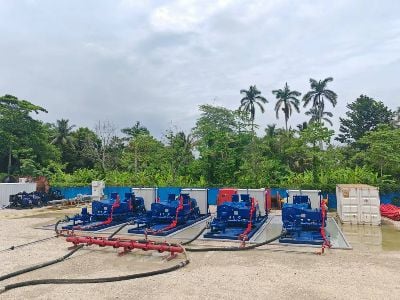
Optimizing oilfield mud tank capacity for deep well drilling projects is crucial for maximizing efficiency and minimizing operational costs. For purchasing managers and engineers, understanding the specifications, quality factors, and cost considerations when selecting oil and gas storage tanks can significantly impact project success. This article will explore the essential aspects of optimizing mud tank capacity, helping buyers make informed decisions in sourcing high-quality tanks tailored to their specific drilling needs.
Optimizing Oilfield Mud Tank Capacity for Maximum Efficiency
To optimize oilfield mud tank capacity for deep well drilling projects, it's essential to consider several key factors: the tank's size, the material used, and how the tank is integrated into the overall drilling operation. The size of the tank should accommodate the expected volume of drilling fluids while allowing for efficient circulation and separation of solids. A tank that is too small can lead to downtime, while one that is overly large may incur unnecessary costs and space requirements.
Material selection is also critical. Mud tanks are typically made from steel to withstand the harsh conditions of drilling environments. The thickness of the tank walls should be appropriate for the operating pressure and environmental conditions, which can vary based on the depth and geology of the drilling site. Buyers should ensure that the chosen tanks comply with relevant industry standards and certifications, as this can affect both performance and safety.
Lastly, the tank design should facilitate easy maintenance and inspection. Features like access hatches and internal baffles can enhance fluid management, while proper placement of discharge and suction points can optimize the flow of drilling fluids. Working closely with a reliable supplier can help in customizing these features to meet specific operational needs.
Evaluating the Quality of Mud Tanks for Oilfield Applications
When evaluating the quality of mud tanks for oilfield applications, buyers should focus on several critical criteria: material integrity, weld quality, and surface treatment. Firstly, the material used in construction must be durable and resistant to corrosion, especially in harsh environments. Common materials include carbon steel and stainless steel, both of which have their advantages depending on the specific conditions of the drilling site.
Weld quality is another important aspect. Poor welds can lead to leaks and structural failures, so buyers should request documentation of welding processes and qualifications. Inspections should include checks for consistency in weld penetration and visual appearance, ensuring that oilfield mud tank meet industry standards.
Surface treatment, including coating and painting, also plays a vital role in enhancing the longevity of mud tanks. A high-quality protective coating can prevent rust and corrosion, significantly extending the tank's lifespan. Buyers should inquire about the specific types of coatings used and their effectiveness against the specific environmental conditions they will face.
Understanding Cost Factors for Bulk Orders of Mud Tanks
Cost considerations for bulk orders of mud tanks involve several factors beyond just the unit price. Firstly, buyers should consider the total cost of ownership, which includes shipping, installation, and maintenance costs. When ordering in bulk, negotiating terms with suppliers can further reduce costs. Factors such as payment terms, lead times, and delivery schedules should be clearly outlined to avoid unexpected expenses.
Additionally, the complexity of customization can impact pricing. Customized tanks that require specific features or materials may incur higher costs. Therefore, it’s advisable to provide suppliers with detailed specifications and requirements to receive accurate quotations.
Lastly, buyers should factor in potential discounts for large orders. Many suppliers offer price breaks based on volume, which can significantly lower the overall cost per unit. Understanding these dynamics will enable buyers to make more informed purchasing decisions while optimizing their budget.
Where to Find Reliable Suppliers of Mud Tanks for Contractors
Finding reliable suppliers of mud tanks for contractors involves evaluating several key factors: reputation, experience, and customer service. Buyers should start by researching potential suppliers online, looking for reviews and testimonials from previous clients. Industry forums and trade shows can also be excellent resources for gathering information about suppliers.
Experience is a critical factor; suppliers with a proven track record in manufacturing mud tanks for oilfield applications are likely to have a better understanding of industry standards and regulations. An ISO9001 certification, like that held by BEYOND, indicates a commitment to quality and customer satisfaction.
Customer service is equally important. A responsive supplier who offers personalized support can significantly enhance the purchasing experience. Buyers should evaluate how willing suppliers are to provide technical assistance, product customization options, and after-sale services. Establishing a solid relationship with a trusted supplier can lead to better support and more favorable terms in future transactions.
Common Problems with Mud Tank Capacity and Their Solutions
Common problems related to mud tank capacity include overflow, inadequate mixing, and contamination of drilling fluids. Overflow can occur when the mud tank is not sized correctly for the volume of drilling fluids being circulated. To mitigate this risk, thorough calculations based on expected flow rates and drilling conditions should be performed during the design phase.
Inadequate mixing can result in uneven distribution of additives within the drilling fluid, impacting performance. Ensuring proper agitation mechanisms and baffle designs in the tank can help maintain uniform fluid consistency.
Contamination is another significant issue that can arise from poor tank maintenance or external factors. Regular inspections and cleaning protocols should be established to minimize contamination risks. Buyers should also consider the integration of filtration systems that can help keep drilling fluids clean and effective.
By addressing these common issues proactively, purchasing managers and engineers can ensure that their mud tanks remain efficient and reliable throughout the drilling process.