 EN
 AR
 FR
 HI
 IT
 RO
 RU
 ES
 TL
 ID
 SL
 UK
 SQ
 TR
 FA
 MS
 AZ
 KA
 MN
 KK
 UZ
 KY

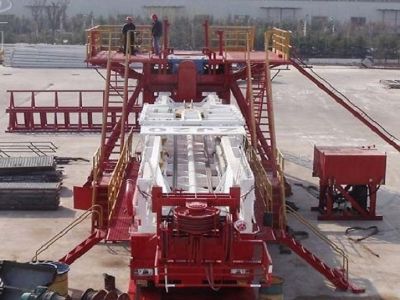
Precision in core drilling machines is crucial for mineral exploration sampling. This technology enables the extraction of cylindrical rock samples from the ground, providing vital data for geological assessments. Buyers often face concerns regarding the accuracy of sampling, the machine's compatibility with specific sites, and the overall quality control processes involved in manufacturing these machines. This article will guide you through the significance of precision in core drilling tools, how to select the right equipment for your needs, and practical insights to enhance your purchasing decisions.
Understanding Core Drilling Machine Precision in Mineral Exploration
Core drilling machines are designed to extract cylindrical samples of soil and rock, which are essential for mineral exploration and geological studies. The precision of these machines directly affects the quality of sample recovery. High precision ensures that the samples are representative of the subsurface materials, which is critical for accurate mineral assessments and resource evaluations.
Key specifications that influence precision include the drill bit diameter, depth capacity, and the machine's ability to maintain vertical alignment. A well-calibrated machine reduces the risk of core loss and contamination, ensuring that the samples reflect the true geological conditions. Buyers should prioritize drilling rig machine with proven track records in accuracy and reliability, as this can significantly impact exploration outcomes.
How to Choose the Right Core Drilling Machine for Your Projects?
Selecting the appropriate core drilling machine requires a thorough understanding of your project's specific requirements. Consider the following factors:
Project Depth and Diameter Requirements: Determine the maximum depth and diameter of the core you need to extract. Different machines cater to varying depths and diameters, and selecting one that aligns with your needs is crucial.
Soil and Rock Type: Different geological formations demand specific drill bit materials and configurations. For instance, harder rock types may require diamond bits, whereas softer soils might be effectively drilled with tungsten carbide bits.
Mobility and Portability: Depending on the site conditions, you may need a machine that is easily transportable. For remote locations, compact units that can be moved with minimal setup time are advantageous.
Customization Options: Suppliers that offer customization based on your project’s unique needs can provide significant benefits. Discussing your specific requirements with the manufacturer can lead to tailored solutions that enhance performance.
Quality Assurance and After-Sales Support: Ensure that the manufacturer adheres to stringent quality control processes and offers robust after-sales support, including maintenance services and spare parts availability.
What Buyers Need to Know?
When considering a core drilling machine, buyers should be aware of several critical aspects:
Specifications Verification: Always verify the technical specifications against your project requirements. This includes checking the machine's power output, torque, and operational speed, as these metrics affect drilling efficiency and precision.
Sample Quality Inspection: Before committing to a purchase, it is advisable to conduct a sample quality inspection. This can include reviewing samples previously obtained with the machine to assess their accuracy and integrity.
Cost Considerations: Pricing can vary based on features, capabilities, and customization options. Understand the factors that impact pricing, such as machine size, materials used, and additional features, to make an informed decision.
Lead Times: Inquire about lead times for delivery, especially if you have project deadlines. Understanding the production capacity of the supplier can help you plan accordingly.
Installation Guidance for Optimal Performance of Core Drilling Machines
Proper installation is essential for the optimal performance of core drilling machines. Here are key steps to follow:
Site Preparation: Ensure that the site is adequately prepared, which includes leveling the ground and ensuring access for equipment transport. This will facilitate smoother operations and minimize downtime.
Alignment: Correctly align the drilling machine before commencing operations. Misalignment can lead to inaccurate samples and increased wear on the equipment.
Calibration: Calibrate the machine according to the manufacturer's recommendations. Regular calibration ensures that the machine operates within specified parameters, enhancing precision.
Training Operators: Ensure that operators are well-trained in the machine's operation and maintenance. Proper training can prevent operational errors that may compromise sample quality.
Regular Maintenance: Schedule regular maintenance checks to keep the machinery in optimal condition. This includes inspecting drill bits, hydraulic systems, and other critical components that affect performance.
Common Problems in Core Drilling and Effective Solutions to Address Them
Core drilling can present several challenges that impact performance and sample quality. Here are some common problems and their solutions:
Core Loss: This occurs when the core sample breaks or disintegrates during extraction. To mitigate this, ensure appropriate drill bit selection and maintain optimal drilling speeds. Using a core barrel designed for the specific rock type can also help reduce core loss.
Contamination: Contamination can compromise sample integrity. To prevent this, ensure that the big drilling machine is clean and that proper sampling techniques are employed. Using dedicated tools for each project can further reduce contamination risks.
Equipment Downtime: Downtime can occur due to equipment failure or improper setup. Regular maintenance and operator training can minimize this risk. Additionally, having a contingency plan for quick repairs can keep projects on schedule.
Inaccurate Samples: This can stem from misalignment or improper drilling techniques. Regularly calibrating the machine and ensuring proper operator training are essential to maintaining sample accuracy.
By focusing on these areas, buyers can enhance the performance of core drilling machines and ensure high-quality mineral exploration sampling. Understanding these factors will not only help in selecting the right machinery but also in optimizing operational efficiency throughout the drilling process.
Table of Contents
- Understanding Core Drilling Machine Precision in Mineral Exploration
- How to Choose the Right Core Drilling Machine for Your Projects?
- What Buyers Need to Know?
- Installation Guidance for Optimal Performance of Core Drilling Machines
- Common Problems in Core Drilling and Effective Solutions to Address Them