 EN
EN
 AR
AR
 FR
FR
 HI
HI
 IT
IT
 RO
RO
 RU
RU
 ES
ES
 TL
TL
 ID
ID
 SL
SL
 UK
UK
 SQ
SQ
 TR
TR
 FA
FA
 MS
MS
 AZ
AZ
 KA
KA
 MN
MN
 KK
KK
 UZ
UZ
 KY
KY

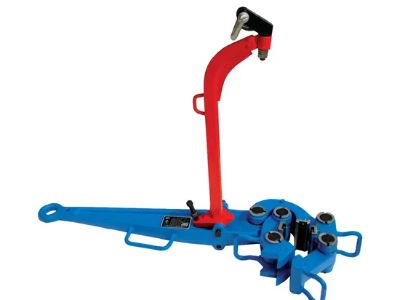
Tubing slips are critical components in drilling operations, designed to secure and support the tubular strings during tripping. They play a vital role in preventing costly pipe drops, which can lead to operational delays, safety hazards, and significant financial losses. For purchasing managers and engineers in the petroleum, water well, and HDD industries, understanding the selection, application, and sourcing of tubing slips is essential for ensuring safe and efficient drilling operations. This article will delve into key considerations for choosing tubing tongs slips, their impact on safety, sourcing options, solutions for common issues, and insights on cost and availability.
What to Consider When Choosing Tubing Slips for Pipe Safety?
When selecting tubing slips, several factors should be evaluated to ensure optimal performance and safety. First, consider the load capacity of the slips, which must match or exceed the weight of the pipe they will support. This includes accounting for the weight of the fluid column and any additional loads during triplex drill operations.
Next, the material composition of the tubing slips is crucial. Common materials include high-strength steel, which provides durability and resistance to wear and deformation. It’s important to also consider any environmental factors, such as exposure to corrosive fluids, that may dictate the need for specialized coatings or materials.
Compatibility with the existing drilling rig and equipment is another key consideration. The dimensions and design of the power tubing tongs slips should match the specifications of the rig to ensure a secure fit. Buyers should verify the dimensions and tolerances with the manufacturer to prevent issues during installation and operation.
Finally, customization options can enhance the performance of tubing slips for specific applications. Discussing customization capabilities with suppliers can lead to tailored solutions that better meet project requirements.
How Tubing Slips Enhance Safety During Tripping Operations?
Safety is paramount during tripping operations, and tubing slips significantly enhance this aspect by providing a secure grip on the pipe. Properly designed slips prevent slippage and minimize the risk of pipe drops, which can cause catastrophic failures, injuries, or even fatalities.
Furthermore, tubing slips reduce the likelihood of equipment damage. A drop in the pipe can lead to significant repair costs and operational downtime, impacting project schedules. By ensuring a secure hold, tubing slips allow for safer handling during both the lowering and raising of pipes, which is particularly important when working in challenging environments.
Regular inspection and maintenance of tubing slips are also necessary to ensure their ongoing effectiveness. This includes checking for wear, deformation, or corrosion, which can compromise their integrity. Establishing a routine maintenance schedule will help maintain safety standards and operational efficiency.
Where to Source Reliable Tubing Slips for Your Project Needs?
Sourcing reliable tubing slips involves identifying manufacturers and suppliers with a proven track record in the industry. Look for companies that are ISO-certified, as this indicates adherence to strict quality control standards. BEYOND, for example, is an ISO9001-certified supplier of drilling equipment, ensuring that their products meet high-quality standards.
It is also beneficial to seek suppliers with experience in your specific application area, whether it's petroleum drilling, water well services, or horizontal directional drilling (HDD). Experienced suppliers can provide valuable insights into material selection, customization options, and performance specifications.
When requesting quotes, it’s important to provide detailed information, including the type and quantity of slips needed, specific material requirements, and any customization preferences. This will help suppliers offer accurate pricing and lead times, ensuring that your project remains on schedule.
Common Problems with Pipe Drops and Tubing Slip Solutions
Pipe drops are a common issue that can arise during drilling operations, often leading to costly delays and safety hazards. One frequent cause of pipe drops is the improper selection or use of tubing slips. If slips are not appropriately sized or if their load capacity is exceeded, slippage can occur.
To mitigate these risks, operators should conduct thorough assessments of the drilling conditions and the expected loads on the tubing slips. Utilizing slips that are specifically designed for the pipe size and weight can significantly reduce the risk of drops.
Moreover, implementing training programs for personnel involved in tripping operations can help ensure that all team members understand the correct handling and installation procedures for tubing slips. This knowledge can prevent common mistakes that lead to accidents.
In addition to training, utilizing technology such as weight indicators can provide real-time feedback on the load being applied to the slips, allowing for immediate adjustments if necessary.
Cost and Availability Insights
The cost of tubing slips can vary widely based on factors such as material, design complexity, and customization needs. Generally, high-strength steel slips may come at a premium, but their durability can lead to lower long-term costs by reducing the frequency of replacements and maintenance.
Availability can also impact pricing and delivery timelines. Engaging with suppliers who have optimized supply chains can help ensure timely delivery, especially for projects with tight schedules. It’s advisable to discuss lead times upfront and consider placing orders well in advance of your project start date.
When negotiating prices, consider not only the upfront costs but also the total cost of ownership, which includes installation, maintenance, and potential downtime costs associated with inferior products. A more expensive, high-quality tubing slip may ultimately save money by reducing the risk of accidents and operational interruptions.
In summary, understanding the role of tubing slips in preventing costly pipe drops during tripping operations is critical for professionals in the drilling industry. By carefully considering material selection, compatibility, safety features, and supplier reliability, purchasing managers and engineers can make informed decisions that enhance safety and efficiency on the job.