 EN
EN
 AR
AR
 FR
FR
 HI
HI
 IT
IT
 RO
RO
 RU
RU
 ES
ES
 TL
TL
 ID
ID
 SL
SL
 UK
UK
 SQ
SQ
 TR
TR
 FA
FA
 MS
MS
 AZ
AZ
 KA
KA
 MN
MN
 KK
KK
 UZ
UZ
 KY
KY

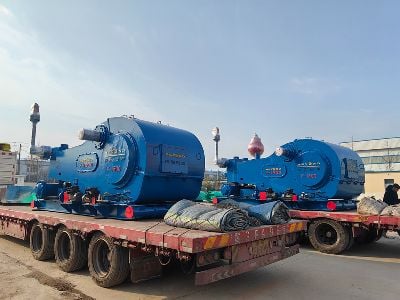
Understanding how modern mud pump designs reduce fuel consumption on remote sites is crucial for companies operating in the petroleum, water well, and HDD sectors. As an ISO9001-certified supplier of drilling equipment, BEYOND recognizes that buyers often face concerns regarding efficiency, reliability, and cost-effectiveness when sourcing mud pump. This article will explore the key aspects of modern mud pump technologies, helping purchasing managers and engineers make informed decisions while optimizing operations in challenging environments.
Where to Source Reliable Mud Pumps for Remote Operations?
Sourcing reliable mud pumps for remote operations entails choosing suppliers that prioritize quality, performance, and support. Look for manufacturers with ISO certifications, as these indicate a commitment to quality management systems. Suppliers with a proven track record in the petroleum, water well, and HDD sectors are more likely to understand the unique challenges faced in remote environments.
BEYOND specializes in providing customized mud pumps that meet specific operational requirements. When evaluating suppliers, consider their capacity to offer tailored solutions, as well as their experience in international markets. Additionally, inquire about their after-sale services, which can be invaluable when issues arise on-site. A responsive support network can mitigate downtime, making it essential to partner with a supplier that has a global presence and experience in delivering equipment to over 30 countries.
Compare Fuel Consumption of Different Mud Pump Models
Fuel consumption is a critical factor when evaluating mud pump models, especially in remote locations where fuel availability may be limited. Modern mud pump liner are designed with efficiency in mind, employing advanced technologies such as variable speed drives and optimized hydraulic systems to minimize fuel use.
When comparing models, pay attention to the pump's specifications, including flow rate, pressure ratings, and energy consumption metrics. For example, a pump with a higher flow rate may be more efficient if it operates at lower RPMs, reducing overall fuel consumption. Also, consider the potential for energy recovery systems that can harness excess energy during operation and reduce the fuel needed for continuous operation.
To aid in decision-making, create a comparison chart that lists the fuel consumption rates of various models, along with their operational costs. This will help you identify the most cost-effective options for your specific application.
Common Challenges with Mud Pumps and Effective Solutions
Mud pumps face several challenges, particularly in remote operations where conditions can be harsh. Common issues include wear and tear on components, inadequate maintenance, and fuel inefficiency. Effective solutions start with selecting pumps designed for durability and ease of maintenance.
For instance, consider pumps with interchangeable parts that facilitate quick repairs and reduce downtime. Additionally, implementing a regular maintenance schedule can help prevent unforeseen failures. Training operators on proper usage and maintenance practices can also enhance the longevity of the pump and ensure optimal performance.
Another critical challenge is the harsh environmental conditions that can affect pump performance. Solutions may include selecting pumps with corrosion-resistant materials or those designed to operate reliably at varying temperatures. By proactively addressing these challenges, you can enhance the reliability of your high pressure mud pump and reduce operational costs.
Benefits of Advanced Materials in Fuel-Saving Mud Pumps
The choice of materials in mud pump construction plays a significant role in fuel efficiency and overall performance. Advanced materials such as high-strength alloys and composites provide better wear resistance, reduced weight, and improved thermal stability. These characteristics contribute to lower fuel consumption by enhancing pump performance and longevity.
For example, using composite materials for pump components can significantly reduce weight, leading to lower energy requirements during operation. Additionally, advanced materials can withstand chemical exposure, ensuring that the pump continues to function effectively in challenging environments.
When evaluating mud pumps, inquire about the materials used in their construction and how these materials contribute to fuel efficiency. Understanding the benefits of these materials can help you make informed decisions and select pumps that offer the best long-term value.
Wholesale Purchasing Tips for Mud Pumps with Low Fuel Usage
Purchasing mud pumps in bulk can provide significant cost savings, but it requires careful planning and consideration. Start by assessing your operational needs to determine the appropriate models and quantities. Consider factors such as flow rate, pressure requirements, and compatibility with existing equipment.
When requesting quotes, provide detailed specifications to ensure accurate pricing. Include information on the intended application and any customization requirements, such as modifications for specific environmental conditions. This will help suppliers provide tailored recommendations that meet your operational needs.
Additionally, negotiate terms that allow for flexibility in order quantities, especially if you anticipate fluctuations in demand. Establishing a good relationship with your supplier can lead to better pricing and support in the long run.
Lastly, ensure that the supplier you choose has a solid reputation for quality and customer service. Check references and reviews from other companies in your industry to gauge their reliability. A trustworthy supplier will not only provide quality products but also support your operations with efficient delivery and responsive customer service.