 EN
EN
 AR
AR
 FR
FR
 HI
HI
 IT
IT
 RO
RO
 RU
RU
 ES
ES
 TL
TL
 ID
ID
 SL
SL
 UK
UK
 SQ
SQ
 TR
TR
 FA
FA
 MS
MS
 AZ
AZ
 KA
KA
 MN
MN
 KK
KK
 UZ
UZ
 KY
KY

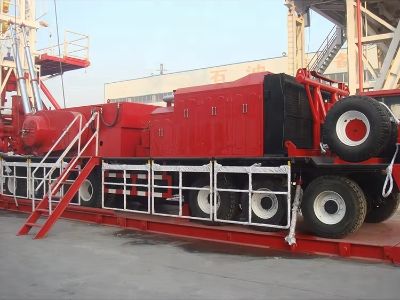
When considering the complexities of the drilling equipment market, understanding the key factors to consider when listing a drilling rig for sale is crucial for both sellers and buyers. This article aims to address the significant concerns B2B buyers face such as product specifications, quality assurance, and supplier reliability while providing actionable insights to facilitate informed purchasing decisions.
Key Considerations When Choosing a Drilling Rig for Wholesale Purchase
Selecting the right drilling rig for wholesale purchase involves several critical factors. First, buyers need to assess the rig's specifications, which include its drilling capacity, power source, and the type of materials used in its construction. For instance, a rig designed for petroleum extraction may require different specifications compared to one used for water wells or horizontal directional well drilling rig (HDD). Additionally, understanding the operational environment is vital. Factors like soil composition, anticipated depth and environmental regulations can influence the choice of rig. Buyers should also consider the rig's compatibility with existing equipment, ensuring that it can be seamlessly integrated into current operations. Furthermore, the manufacturer’s reputation in terms of reliability and after-sale service is another essential factor. A supplier with a proven track record, like BEYOND, which offers ISO9001-certified equipment and overseas services, can provide added assurance.
What Buyers Should Know?
Buyers should be well-informed about the specific applications for which the drilling rig will be used. Different applications may require various features, such as rig mobility or specific power requirements. For example, a drilling rig intended for HDD applications may need to be more compact and mobile compared to those used for traditional drilling. It's also important to inquire about customization options. Many suppliers offer tailored solutions based on client needs, which could include modifications to fit specific project requirements. Buyers should prepare to discuss their operational challenges and requirements in detail to ensure the supplier can meet their needs effectively. Additionally, potential buyers should be aware of the total cost of ownership, which extends beyond the initial purchase price. Maintenance costs, operational efficiency, and potential downtime for repairs should all be taken into account when evaluating the long-term viability of a rig.
Where to Source Reliable Suppliers for Drilling Rigs and Equipment?
Sourcing reliable suppliers is a pivotal step in the purchasing process. Buyers should begin by researching manufacturers with a strong industry presence, preferably those that are ISO certified, like BEYOND. Certification is a strong indicator of adherence to quality standards and effective quality control processes. Networking within industry associations and attending trade shows can also help establish connections with reputable suppliers. Online platforms and B2B marketplaces can provide additional options, but buyers should exercise caution and conduct thorough due diligence. Requesting references and reviewing past projects can provide insights into a supplier's reliability and service quality. Lastly, leveraging existing relationships with industry peers can yield recommendations for trustworthy suppliers. Engaging with professionals who have firsthand experience with specific manufacturers can provide critical insights that go beyond company marketing materials.
Cost Factors to Consider When Listing a Drilling Rig for Sale
Several cost factors come into play when listing a drilling rig for sale. The initial purchase price is just one aspect; buyers must also consider shipping costs, import duties, and potential installation expenses. These additional costs can significantly affect the overall budget. Another important consideration is the rig's operating efficiency. A rig with higher fuel efficiency may have a higher upfront cost but can save money over time through reduced operational expenses. Additionally, the availability of spare parts and maintenance services can impact long-term costs, so buyers should inquire about these aspects when evaluating a supplier. Buyers should also be aware of market trends that may influence pricing. Factors such as fluctuating oil prices, changes in demand for drilling services, and advancements in drilling technology can alter the cost landscape, making it essential to stay informed about industry dynamics.
Common Problems with Drilling Rigs and Solutions for Buyers
Buyers should be aware of common problems associated with drilling rigs to make informed purchasing decisions. One prevalent issue is the rig's mechanical reliability. Frequent breakdowns can lead to costly downtime, so buyers should prioritize manufacturers with a strong reputation for durability and reliability. Another concern is the compatibility of the rig with different drilling rigs conditions. A rig that performs well in one environment may struggle in another, potentially leading to inefficiencies. Buyers are advised to assess the rig's performance history in similar applications before making a decision.
To mitigate these risks, buyers should consider requesting a detailed maintenance history and warranties from suppliers. Additionally, seeking out training and support services from the manufacturer can help ensure that operational staff are well-prepared to handle the rig effectively, reducing the likelihood of operational issues. Understanding these common challenges can empower buyers to engage suppliers in meaningful conversations about product performance and support, ultimately leading to better purchasing decisions.